

SiteArmor Solutions Articles

At SiteArmor Solutions, we understand that successful squatter clearance is only half the battle. The true cost is often incurred after the eviction, when property damage is assessed, and security is breached again.
This guide provides an expert walkthrough of the entire process, focusing on the critical steps needed to legally and permanently secure your property, positioning SiteArmor as your indispensable partner.

As the leading experts in vacant property security solutions, SiteArmor Solutions knows that security must be proactive, comprehensive, and go far beyond a few hastily hammered boards. The most common mistake we see is relying on plywood boarding, which often signals to criminals that the asset is unguarded and vulnerable.
Use this 12-Point Vacant Property Security Checklist, developed by our team of experts, to transition from risky protection to secure vacant property management.

Perforated steel guards are superior to plywood boarding for vacant property security because they offer maximum forced-entry resistance (deterring break-ins), feature a perforated design that prevents damaging mold and mildew, and are installed using non-destructive methods. While the rental fee is higher than buying lumber, the lifecycle cost of steel is lower due to its reusability, elimination of costly frame damage, and protection against catastrophic losses like copper theft and squatting.
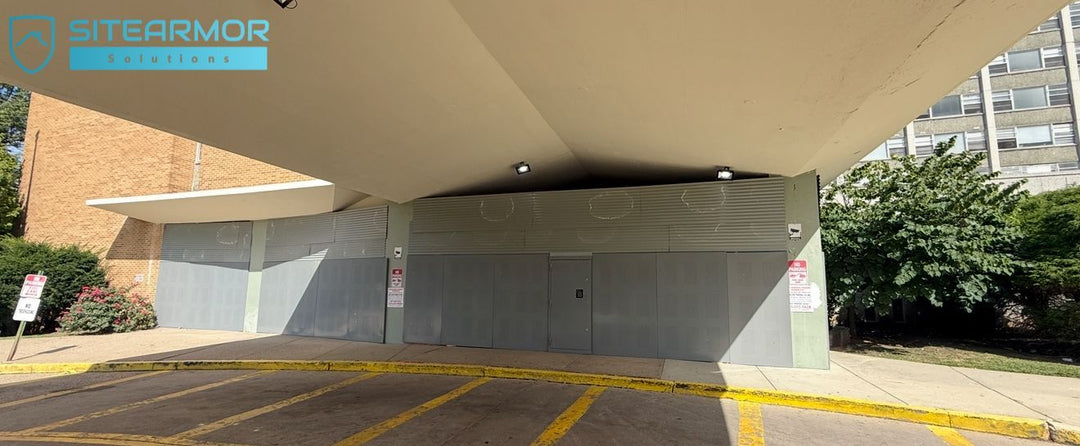
Securing a vacant property isn't a cookie cutter problem. This guide on vacant property security delves into the importance of custom property solutions designed for unique challenges, from large-scale commercial real estate to architecturally sensitive buildings.
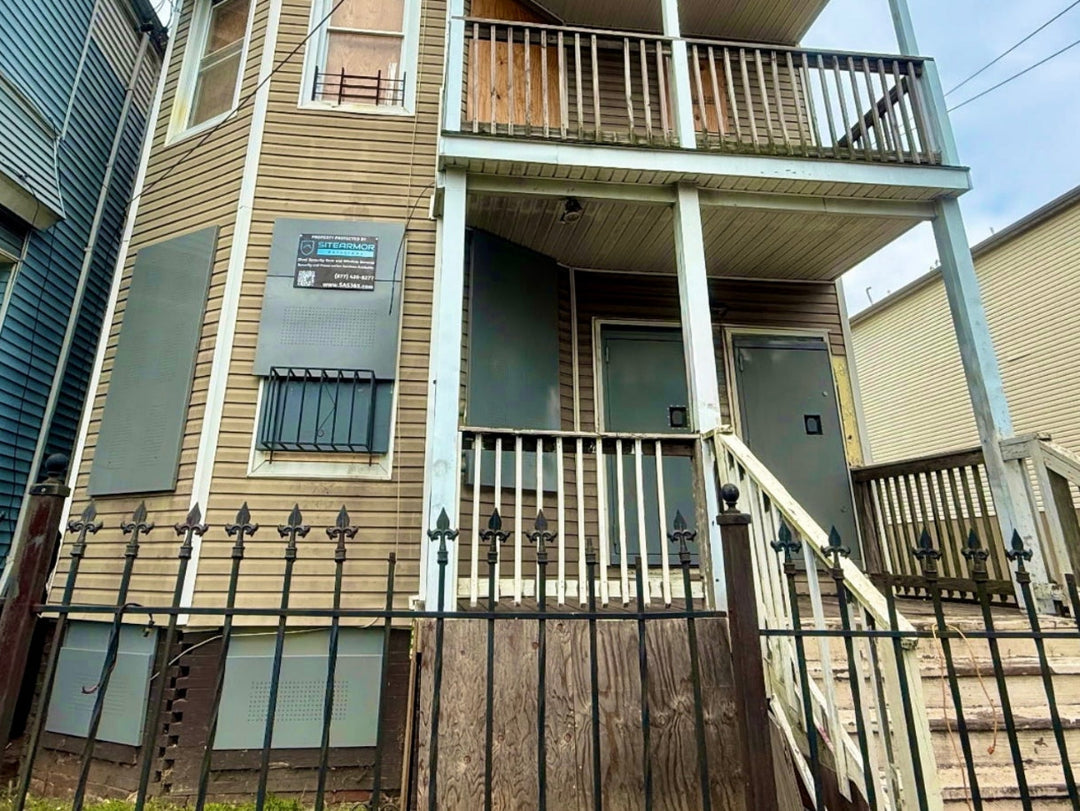
For banks, lenders, and asset managers, securing a Real Estate Owned (REO) property is a critical first step after foreclosure. This guide provides an in-depth look at REO property security, focusing on the unique challenges and liabilities associated with bank-owned assets.